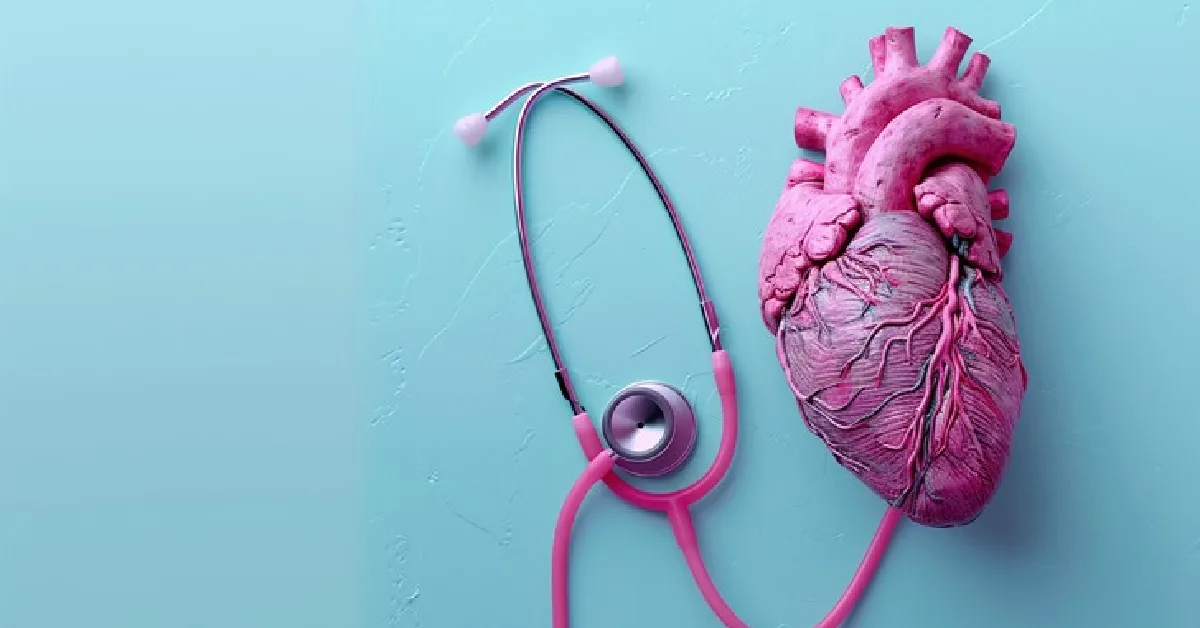
A heart attack is a serious medical emergency that occurs when blood flow to a part of the heart muscle becomes severely reduced or blocked. Without enough oxygen-rich blood, the affected heart muscle can become damaged. Recognizing the warning signs and getting immediate medical attention can save a life.
Many people believe a heart attack always begins with sudden, crushing chest pain. However, the symptoms can vary from person to person. Some people experience chest pressure, shortness of breath, sweating, nausea, or unusual tiredness. Others may have mild symptoms that are easy to mistake for indigestion or general weakness.
Understanding the symptoms of a heart attack, its causes, risk factors, treatment options, and prevention strategies can help people make informed decisions about their heart health.
What Is a Heart Attack?
A heart attack, medically known as a myocardial infarction, happens when blood flow to part of the heart muscle is blocked or significantly reduced. The heart needs a continuous supply of oxygen and nutrients to function properly. This supply is delivered through the coronary arteries.
In many cases, a heart attack occurs when fatty deposits called plaque build up inside the coronary arteries. This condition is known as coronary artery disease. If a plaque ruptures, a blood clot may form and block blood flow to the heart muscle.
When circulation is interrupted, the affected heart tissue begins to suffer damage. The longer the blockage continues, the greater the potential damage. That is why early heart attack treatment is essential.
A heart attack is different from cardiac arrest. A heart attack is primarily a circulation problem, while cardiac arrest occurs when the heart suddenly stops pumping blood effectively. A heart attack can sometimes lead to cardiac arrest, making prompt medical care especially important.
Common Symptoms of a Heart Attack
Recognizing the early warning signs of a heart attack can help someone receive treatment before serious damage occurs. Symptoms may begin suddenly or develop gradually over several minutes or hours.
1. Chest Pain or Discomfort
Chest pain is one of the most common heart attack symptoms. It may feel like pressure, tightness, squeezing, fullness, heaviness, or burning in the center of the chest.
The discomfort may last for several minutes or disappear and return. Some people describe it as a heavy weight pressing against their chest rather than sharp pain.
Chest discomfort should never be ignored when it is new, severe, persistent, or accompanied by other warning signs.
2. Pain in the Arm, Shoulder, Neck, Jaw, or Back
A heart attack can cause discomfort beyond the chest. Pain may spread to one or both arms, the shoulders, the neck, the jaw, or the back.
Some people experience these symptoms without severe chest pain. Unexplained pain in these areas, particularly when combined with breathlessness or sweating, needs urgent medical assessment.
3. Shortness of Breath
Shortness of breath may occur with chest discomfort or on its own. A person may feel unable to take a full breath, become unusually breathless during normal activities, or struggle to breathe while resting.
Sudden or unexplained breathing difficulty can indicate a serious heart or lung problem and should be treated as an emergency.
4. Cold Sweating
Unexpected cold sweating is another possible warning sign. A person may suddenly become clammy, pale, or unusually sweaty even when the surroundings are cool.
When cold sweating occurs with chest pressure, nausea, weakness, or breathing difficulty, immediate medical attention is necessary.
5. Nausea, Vomiting, or Indigestion-Like Discomfort
Some people experience nausea, vomiting, upper abdominal discomfort, or a sensation similar to heartburn during a heart attack.
These symptoms can be mistaken for digestive problems. However, when they occur with chest discomfort, unusual sweating, or shortness of breath, they should not be dismissed as simple indigestion.
6. Dizziness or Unusual Weakness
A person experiencing a heart attack may feel light-headed, dizzy, faint, or suddenly weak. These symptoms can occur when the heart is not circulating blood effectively or when other complications develop.
Sudden dizziness accompanied by chest discomfort or breathing problems requires emergency evaluation.
7. Unusual Fatigue
Some people, particularly women, report unusual fatigue before or during a heart attack. The tiredness may feel extreme or different from ordinary exhaustion and may occur with relatively little physical activity.
Fatigue alone does not necessarily indicate a heart attack, but unexplained, sudden, or persistent fatigue accompanied by other warning signs deserves medical attention.
Heart Attack Symptoms in Men and Women
The main warning signs can occur in both men and women, but the way symptoms appear may differ.
Men commonly report chest pressure or discomfort, sometimes accompanied by pain spreading to the arm, shoulder, jaw, or back.
Women may also experience chest pain, but they can be more likely to report symptoms such as unusual fatigue, shortness of breath, nausea, back discomfort, or jaw pain. These symptoms can occur with or without prominent chest discomfort.
It is important not to assume that a woman is less likely to have a heart attack because she does not experience severe chest pain. Heart attack symptoms in women can be subtle, but they are no less important.
Older adults and people with diabetes may also experience less typical symptoms. Some may have breathlessness, weakness, confusion, or other signs without obvious chest pain.
Anyone experiencing possible heart attack symptoms should seek emergency medical care rather than attempting to diagnose the problem at home.
Major Causes and Risk Factors of a Heart Attack
A heart attack most often occurs because blood flow through a coronary artery becomes blocked. Several conditions and lifestyle factors can increase the risk.
High Blood Pressure
High blood pressure, also known as hypertension, places extra strain on the heart and can damage artery walls over time. This damage can contribute to plaque buildup and increase the risk of cardiovascular disease.
Regular blood pressure checks, appropriate treatment, physical activity, and dietary improvements can help manage this risk.
High Cholesterol
High levels of LDL cholesterol can contribute to fatty deposits inside arteries. Over time, these deposits may narrow the coronary arteries and increase the possibility of a blockage.
A healthcare professional can recommend cholesterol testing and, when needed, lifestyle changes or medication.
Smoking and Tobacco Use
Smoking damages blood vessels, increases blood pressure, and promotes conditions that make blood clots more likely. Tobacco use is a major preventable risk factor for heart disease.
Quitting smoking can improve cardiovascular health. People who need support can ask a healthcare professional about cessation programs and treatments.
Diabetes
Diabetes can damage blood vessels and increase the risk of heart disease. High blood glucose levels over time can contribute to cardiovascular complications.
Managing blood glucose, blood pressure, cholesterol, nutrition, and physical activity is important for people living with diabetes.
Obesity and Physical Inactivity
Excess body weight can increase the likelihood of high blood pressure, high cholesterol, diabetes, and other heart-related conditions. A sedentary lifestyle may add to these risks.
Regular movement and sustainable changes in eating habits can support better cardiovascular health.
Family History and Age
The risk of a heart attack generally increases with age. A family history of early heart disease can also increase risk.
Although age and genetics cannot be changed, many other risk factors can be managed with medical guidance and healthy habits.
What to Do During a Suspected Heart Attack
A suspected heart attack is a medical emergency. Acting quickly can reduce heart muscle damage and improve the chances of recovery.
Call emergency services immediately. In India, dial 112 for emergency assistance. Do not wait to see whether the symptoms disappear.
Stop physical activity. Help the person sit and rest in a comfortable position while waiting for help.
Do not drive yourself to the hospital. Emergency medical personnel can begin assessment and treatment during transport.
Follow the emergency operator's instructions. Do not give food or drink to someone who may be seriously unwell.
Use medication only as directed. If the person has prescribed emergency heart medication, help them follow their clinician's instructions. Ask the emergency operator or medical professional about aspirin rather than assuming it is suitable for everyone.
If the person becomes unresponsive and is not breathing normally, call emergency services, begin CPR, and use an automated external defibrillator (AED) if available, following the operator's instructions.
Do not delay emergency care to try home remedies, drink water, massage the chest, or wait for symptoms to pass.
How Is a Heart Attack Diagnosed?
Doctors assess symptoms, medical history, physical findings, and test results to determine whether a heart attack has occurred.
Common investigations include:
Electrocardiogram (ECG or EKG): Records the heart's electrical activity and can identify changes associated with a heart attack.
Blood tests: Measure substances such as troponin, which can rise when heart muscle is damaged.
Echocardiogram: Uses ultrasound to assess heart structure and pumping function.
Coronary angiography: Helps identify narrowed or blocked coronary arteries.
Additional imaging or tests: May be recommended depending on the person's condition.
Not every test is required for every patient. Doctors choose investigations based on the symptoms and urgency of the situation.
Heart Attack Treatment Options
The main goal of heart attack treatment is to restore blood flow to the affected heart muscle as quickly as possible and prevent further complications.
Emergency Medical Treatment
Hospital treatment may include medicines to manage blood clots, reduce the heart's workload, control pain, or treat complications. The exact treatment depends on the type of heart attack and the patient's medical condition.
Angioplasty and Stent Placement
A procedure called coronary angioplasty may be used to reopen a blocked artery. A thin tube is guided into the blood vessel, and a small balloon may be inflated to widen the narrowed area. A stent is often placed to help keep the artery open.
When appropriate and available, rapid angioplasty can be a critical treatment for certain types of heart attacks.
Coronary Artery Bypass Surgery
In some cases, doctors may recommend coronary artery bypass surgery. This procedure creates an alternative route for blood to flow around one or more blocked coronary arteries.
The treatment plan depends on the location and severity of the blockages, the person's overall health, and the medical team's assessment.
Cardiac Rehabilitation
After a heart attack, cardiac rehabilitation can help patients recover safely. It may include supervised exercise, education about heart health, nutritional guidance, stress management, and support with medication adherence.
Rehabilitation and regular follow-up care can help patients return to everyday activities and reduce the risk of future cardiovascular problems.
How to Prevent a Heart Attack
Although not every heart attack can be prevented, many risk factors can be reduced through consistent lifestyle habits and appropriate medical care.
Eat a Heart-Healthy Diet
Choose a balanced diet that includes vegetables, fruit, whole grains, beans, lentils, nuts, and other nutrient-rich foods. Include suitable protein sources and prefer healthier unsaturated fats over trans fats and excessive saturated fats.
Limit excess salt, sugary drinks, highly processed foods, and frequent deep-fried meals. In Indian diets, practical choices may include dal, vegetables, whole-wheat roti, oats, fruit, and moderate portions of nuts.
No single food can prevent a heart attack. Overall eating patterns matter more than relying on a particular ingredient or supplement.
Exercise Regularly
Regular physical activity supports heart health, helps manage blood pressure, and improves overall fitness. For many adults, a common goal is at least 150 minutes of moderate-intensity aerobic activity each week, adjusted to individual ability and medical advice.
Walking, cycling, swimming, and other suitable activities can be beneficial. People with existing heart disease or concerning symptoms should consult a healthcare professional before starting a new exercise program.
Stop Smoking
Quitting tobacco is one of the most effective ways to lower cardiovascular risk. Avoiding second-hand smoke can also be helpful.
If quitting is difficult, seek professional support rather than relying on willpower alone.
Monitor Blood Pressure, Cholesterol, and Blood Sugar
Routine health checks can identify risk factors before they cause obvious symptoms. Follow your clinician's recommendations for screening and treatment, especially if you have diabetes, high blood pressure, high cholesterol, or a family history of heart disease.
Take prescribed medicines consistently and do not stop them without medical advice.
Maintain a Healthy Weight and Manage Stress
A sustainable approach to weight management can improve several heart disease risk factors. Focus on realistic food choices, regular activity, adequate sleep, and long-term habits rather than extreme diets.
Stress management strategies such as relaxation exercises, time outdoors, social connection, and regular sleep may support general well-being. They should complement—not replace—medical treatment for cardiovascular risk factors.
Can a Person Recover After a Heart Attack?
Many people recover and return to meaningful daily activities after a heart attack. Recovery depends on how much heart muscle was affected, how quickly treatment began, whether complications occurred, and the person's overall health.
Following medical advice is essential. Patients may need prescribed medicines, follow-up appointments, lifestyle adjustments, and cardiac rehabilitation.
A person who has had a heart attack should discuss their activity levels, work, travel, and return to exercise with their healthcare team. Recovery should be gradual and guided by professional advice.
New or recurring chest discomfort, worsening breathlessness, fainting, or other concerning symptoms after discharge require urgent medical assessment.
Conclusion
A heart attack can be life-threatening, but recognizing the warning signs and getting prompt medical attention can make a major difference. Chest pressure, pain spreading to the arm or jaw, shortness of breath, cold sweating, nausea, and sudden weakness are important symptoms to recognize.
The best approach combines awareness, emergency readiness, routine health checks, a heart-healthy lifestyle, and appropriate treatment for conditions such as high blood pressure, high cholesterol, and diabetes.
Never ignore possible heart attack symptoms or wait for them to become severe. Call emergency services immediately if a heart attack is suspected. Early treatment can save lives and help protect the heart from lasting damage.
Medical disclaimer: This article is for general educational purposes only and is not a substitute for professional medical advice, diagnosis, or treatment. If you suspect a heart attack, seek emergency medical care immediately.



0 Comments
No approved comments yet.