
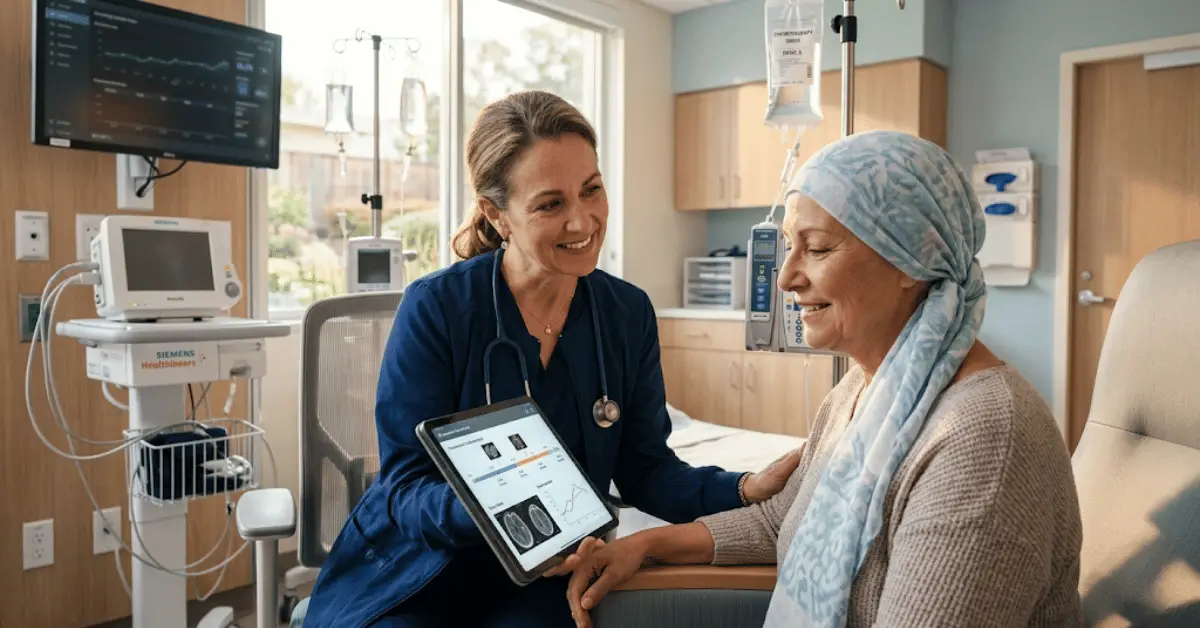
Cancer is one of the most challenging health conditions faced by millions of people worldwide. However, medical science has improved rapidly over the years, and modern cancer care now focuses not only on treatment but also on recovery, emotional wellness, and long-term patient support. Today, patients have access to advanced therapies, better hospitals, personalized treatment plans, and stronger support systems that can improve both survival rates and quality of life.
For many families, hearing the word “cancer” can feel overwhelming. Patients often experience fear, confusion, emotional stress, and physical exhaustion during the treatment journey. Understanding the disease, available therapies, and support systems can help reduce anxiety and make the journey more manageable. Modern healthcare experts now believe that successful cancer treatment depends on both medical care and emotional strength.
This complete guide explains modern cancer treatment, patient care, recovery support, emotional wellness, and the latest advancements in oncology care in 2026.
Understanding Cancer and Its Impact
Cancer develops when abnormal cells grow uncontrollably inside the body. These cells may spread to nearby tissues and organs if not treated at the right time. There are many different types of cancer, and each type behaves differently depending on the stage, location, and overall health of the patient.
Some cancers grow slowly while others spread aggressively. Early detection is extremely important because treatment is usually more effective during the early stages. Doctors now encourage regular screenings, awareness programs, and preventive healthcare to help detect cancer earlier.
Modern cancer diagnosis and treatment methods are far more advanced today compared to previous decades. Technology, AI-based imaging, and personalized medicine have improved how doctors detect and treat different cancers.
Importance of Modern Cancer Care
Modern oncology care focuses on treating the whole patient rather than only targeting the disease. Hospitals now provide comprehensive treatment plans that include physical treatment, emotional support, nutrition guidance, rehabilitation, and recovery monitoring.
The goal of advanced cancer care is to help patients:
Fight cancer effectively
Reduce treatment side effects
Improve quality of life
Support emotional health
Strengthen long-term recovery
Today’s healthcare systems combine advanced medicine with compassionate patient care to improve treatment experiences.
Common Types of Cancer Treatment
Every patient receives a different treatment plan depending on their condition. Doctors often combine multiple therapies to improve results.
Surgery
Surgery remains one of the most common cancer treatments, especially when tumors are detected early. In many cases, removing the cancerous tissue can stop the disease from spreading further.
Modern surgical techniques are now more advanced and minimally invasive, helping patients recover faster with fewer complications. Robotic surgeries and precision-guided operations are becoming increasingly common in major hospitals.
Chemotherapy Treatment
Chemotherapy treatment uses strong medicines to destroy cancer cells or slow their growth. It is one of the most widely used therapies worldwide.
Chemotherapy may be given:
Through IV injections
Oral medications
Combination drug therapies
Although chemotherapy is highly effective in many cases, it can also affect healthy cells, leading to side effects like fatigue, nausea, hair loss, and weakness. Fortunately, newer supportive medications now help patients manage these side effects much better than before.
Modern doctors also adjust chemotherapy doses more carefully to improve patient comfort during treatment.
Radiation Therapy
Radiation therapy uses high-energy rays to target cancer cells directly. It is commonly used alongside surgery or chemotherapy to improve treatment outcomes.
Advanced radiation technologies now allow doctors to target tumors more accurately while reducing damage to nearby healthy tissue. This has made treatment safer and more effective for many patients.
Radiation therapy may help:
Shrink tumors
Reduce pain
Prevent cancer spread
Improve recovery chances
Treatment plans are usually customized according to the patient’s condition and cancer type.
Immunotherapy for Cancer
One of the biggest breakthroughs in modern medicine is immunotherapy for cancer. This treatment helps the body’s immune system recognize and attack cancer cells naturally.
Unlike traditional treatments that directly target tumors, immunotherapy strengthens the immune response itself. This approach has shown promising results for several advanced cancers.
Doctors now use immunotherapy for:
Lung cancer
Skin cancer
Blood cancer
Certain advanced cancers
Researchers continue developing newer immunotherapy options that may improve survival rates even further in the future.
Targeted Cancer Therapy
Targeted cancer therapy is another advanced treatment method that focuses on specific genes, proteins, or mutations responsible for cancer growth.
This therapy is more precise than traditional chemotherapy and may reduce damage to healthy cells. Many modern cancer hospitals now use targeted therapies as part of personalized cancer care plans.
Targeted treatments can improve:
Treatment accuracy
Patient comfort
Recovery outcomes
Long-term disease control
This approach represents the future of precision medicine in oncology care.
What Is Personalized Cancer Care?
Every patient responds differently to treatment. That is why hospitals increasingly focus on personalized cancer care instead of using the same treatment for everyone.
Doctors now study:
Genetic information
Tumor characteristics
Medical history
Patient lifestyle
Using this information, specialists create customized treatment plans designed specifically for each patient. Personalized care often improves success rates while reducing unnecessary side effects.
This patient-focused approach is becoming one of the biggest trends in healthcare in 2026.
Emotional and Mental Cancer Support
Cancer affects emotional health just as much as physical health. Patients often experience fear, anxiety, sadness, and stress throughout treatment.
Strong emotional support is extremely important because mental wellness can influence recovery and overall quality of life. Hospitals now provide counseling services, therapy programs, and patient support groups to help individuals cope emotionally.
Family members also play a major role during treatment. Encouragement, patience, and emotional understanding can make the recovery process easier for patients.
Modern cancer support programs focus on helping people maintain hope, confidence, and emotional stability during difficult times.
Importance of Nutrition During Cancer Treatment
Nutrition becomes extremely important during cancer treatment because the body needs energy and strength to recover.
Doctors and nutritionists often recommend:
Fresh fruits and vegetables
Lean protein sources
Whole grains
Healthy fats
Hydrating fluids
A balanced diet can help:
Improve immunity
Reduce weakness
Support healing
Maintain body weight
Patients may also need personalized meal plans depending on their treatment type and side effects.
Recovery After Cancer Treatment
Completing treatment does not always mean the recovery journey is over. Many patients continue to experience physical weakness, emotional stress, and fear of recurrence even after therapy ends.
Cancer recovery often includes:
Regular medical checkups
Physical rehabilitation
Mental health support
Healthy lifestyle changes
Exercise, healthy eating, proper sleep, and emotional wellness all contribute to long-term recovery.
Healthcare providers encourage survivors to maintain healthy habits and attend regular follow-up appointments to monitor their health.
Role of Family in Cancer Patient Care
Family support can significantly improve the emotional well-being of cancer patients. Caregivers often help with medications, appointments, meals, transportation, and emotional encouragement.
Compassionate caregiving creates a more positive environment for recovery. Patients who feel emotionally supported often cope better with treatment challenges.
Families should also prioritize their own mental wellness because caregiving can be emotionally demanding.
Modern Advances in Advanced Cancer Treatment
Medical technology is rapidly improving in 2026, leading to more effective and less invasive cancer treatments.
Some major innovations include:
AI-assisted diagnosis
Precision medicine
Robotic surgeries
Advanced immunotherapy
Personalized therapies
These technologies are helping doctors detect cancer earlier and create more accurate treatment strategies.
Modern cancer treatment centers continue investing in research and innovation to improve patient outcomes globally.
Importance of Cancer Awareness
Increasing cancer awareness can save lives by encouraging early screenings and healthy lifestyle habits.
People are now more aware of:
Warning signs
Preventive screenings
Risk factors
Healthy lifestyle choices
Public awareness campaigns continue educating communities about early diagnosis and prevention.
Final Thoughts
Modern cancer care has evolved tremendously over the years. Today’s healthcare systems focus not only on treating cancer but also on improving emotional wellness, patient comfort, and long-term recovery.
Understanding treatment options such as chemotherapy treatment, radiation therapy, immunotherapy, and targeted cancer therapy can help patients and families make informed decisions during difficult times. Emotional support, healthy nutrition, exercise, and personalized care also play important roles in successful recovery.
With medical advancements, early diagnosis, and strong support systems, many people continue to live healthy and meaningful lives after cancer treatment.
FAQs About Cancer Care
1. What is cancer care?
Cancer care includes diagnosis, treatment, emotional support, recovery, and long-term patient wellness management.
2. What are common cancer treatment methods?
Common treatments include surgery, chemotherapy, radiation therapy, immunotherapy, and targeted therapy.
3. What is chemotherapy treatment?
Chemotherapy uses medicines to destroy or slow the growth of cancer cells.
4. What is immunotherapy for cancer?
Immunotherapy strengthens the immune system to help it fight cancer more effectively.
5. Why is emotional cancer support important?
Emotional support helps patients manage stress, anxiety, and mental health challenges during treatment.
6. What is personalized cancer care?
It involves creating customized treatment plans based on the patient’s medical condition and genetic information.
7. Can cancer patients recover completely?
Many patients recover successfully, especially when cancer is detected and treated early.
8. Why is early detection important in cancer care?
Early diagnosis often improves treatment success rates and increases survival chances.



1 Comment
Thanks